Brontosaurus Color: Unveiling the Truth
The question "What color is a Brontosaurus?" may seem straightforward, but it's surprisingly complex. Brontosaurus, or Apatosaurus, was a large, plant-eating dinosaur that lived during the Late Jurassic period. It's often portrayed as a green dinosaur, but is that accurate?
Let's delve into the fascinating world of dinosaur colors to find out.
Understanding Dinosaur Colors
Unlike modern-day animals, dinosaurs don't have colors preserved in their fossils. So, what we know about dinosaur colors comes from a mix of science, educated guesswork, and artistic license.


Paleontologists use several methods to infer dinosaur colors. These include studying the original habitats of dinosaurs, looking at modern-day relatives, and analyzing feathers and other soft tissues preserved in fossils.
Dinosaurs and Their Environment
Dinosaurs evolved in environments similar to those of modern-day animals. Thus, they may have used similar strategies for predator avoidance and thermoregulation. Many dinosaurs likely sported earthy tones - browns, greys, and greens - to help them blend into their surroundings.


For instance, the Stegosaurus, despite its iconic red color in popular culture, would have likely been a mottled grey or brown to blend in with its arid habitat.
Dinosaur Feathers and Pigments
Recent discoveries of feathered dinosaurs have shed new light on dinosaur colors. Many of these dinosaurs had melanosomes - tiny structures in cells that produced colored pigments in modern-day birds and reptiles. By analyzing these melanosomes, scientists can infer the color of the dinosaur's feathers.
For example, study of the feathered dinosaur Anchiornis showed that its feathers were a mix of black, white, and blue. However, it's important to note that not all dinosaurs had feathers, and those that did may not have been colored like modern-day birds.



So, What Color Was the Brontosaurus?
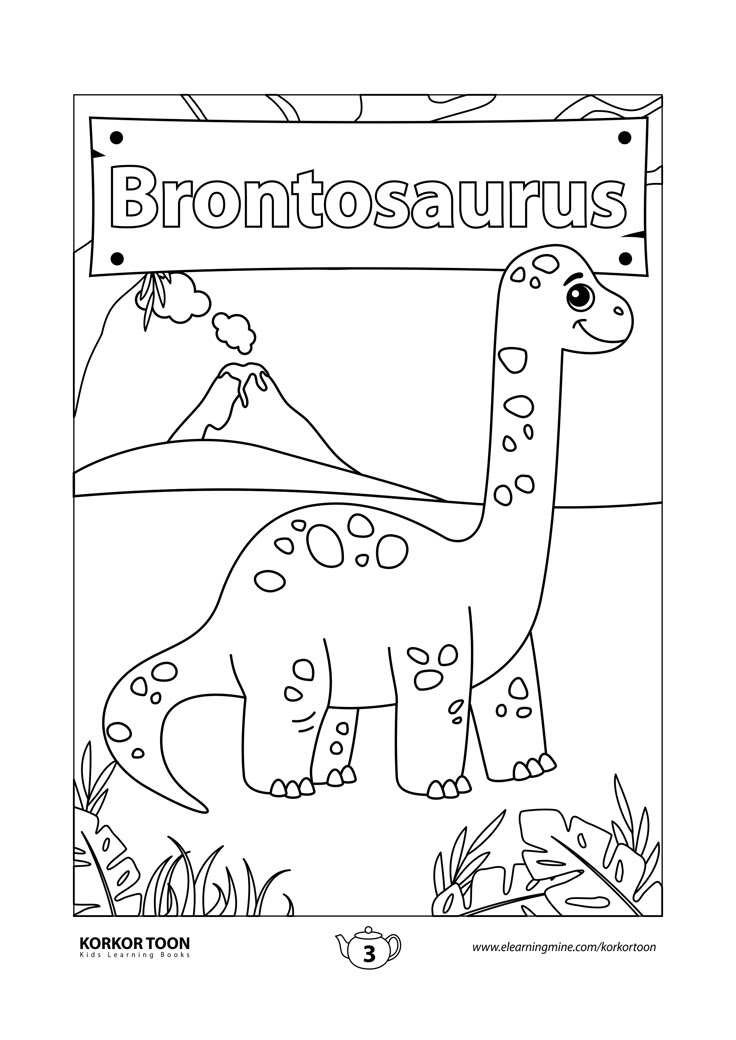
Now let's apply what we know about dinosaur colors to the Brontosaurus. Like other large herbivorous dinosaurs, a Brontosaurus was likely a muted earth tone, perhaps a light brown or grey, to help it blend in with its environment. There's no evidence to suggest it was the vibrant green commonly depicted in popular culture.
However, it's essential to remember that despite our best efforts, we can only make educated guesses about dinosaur colors. The truth is, we may never know for certain what color a Brontosaurus was - but isn't that part of what makes paleontology so fascinating?
More Than Just Color: The Brontosaurus's Unique Appearance
The Brontosaurus was far more than just a color. It was a towering giant, one of the largest dinosaurs to ever walk the Earth. Its long, eloquent neck and thick, powerful tail gave it a distinctive appearance. Its body, adorned with large, plate-like osteoderms, provided additional defense against predators.


Moreover, recent evidence suggests the Brontosaurus may have had feathers. While the color of these feathers is unknown, their presence adds another layer of complexity to our understanding of these remarkable creatures.
In the end, the color of a Brontosaurus might not be the most important question. The more intriguing questions lie in the details of their lives, their environments, and their relationships with other dinosaurs. Whether it was vibrant green, drab brown, or something in between, the Brontosaurus's true beauty wasn't in its color, but in its unique place in the grand tapestry of dinosaurs.
Related Articles

Tiger Color in Dreams: Is Orange the Shocking Truth?
The vibrant hues of a tiger's fur often inspire vivid dreams, and the question "What color is a tiger in dreams?" doesn't always yield straightforward answers...

Discover Squidward's Color: The Surprising Truth!
Ever wondered about the color of everyone's favorite incurably grumpy squid? SpongeBob's best friend and co-worker Squidward Tentacles is a character known for...

Madara Uchiha Manga Color: Unveiling the Truth
In the vibrant world of anime and manga, color plays an integral role in storytelling. From conveying emotions to setting moods, colors are as much a part of...

Kamia Meaning: Unveiling the Truth Behind This Mysterious Word
Have you ever stumbled upon the word "Kamia" and wondered what it means? You're not alone. This seemingly mysterious term is actually quite fascinating, with...

Unveiling the True Color of Tyrannosaurus Rex
The color of Tyrannosaurus Rex, the formidable and iconic dinosaur, has been a subject of fascination since its fossils were first discovered. Despite being...

The Grinch's True Color: Unveiled
The Grinch, the iconic character from Dr. Seuss' beloved tale "How the Grinch Stole Christmas," is often depicted with a distinctive color. But have you ever...