Weaving Fun: Teach Elementary Students a Timeless Craft
Introducing weaving to elementary students might seem daunting, but it's an enriching experience that combines art, history, and practical life skills. Weaving is not only a fun and creative activity but also helps develop fine motor skills, pattern recognition, and perseverance. Let's delve into how to teach weaving to elementary students.
The first challenge is to make weaving accessible and engaging for young students. Using simple, easy-to-handle materials like pipe cleaners, yarn, and cardboard looms can turn the learning process into a delightful activity. Moreover, starting with basic weaving techniques prepares them for more complex designs as they advance.
Understanding Weaving Basics
Before diving into projects, it's crucial to teach the fundamental concepts of weaving. Explain the two main components: the warp (vertical threads) and the weft (horizontal threads that go over and under the warp). A simple demonstration using yarn or pipe cleaners can help illustrate this.


Hands-on Warm-up Activities
Warm-up activities like finger weaving or stringing cheerios on a pipe cleaner help students understand and practice the basic over-under motion. These activities also improve fine motor skills, a key aspect of weaving.
Another warm-up activity is cloud nine weaving, where students draw a cloud shape on paper, pencil weave through it, and then cut out the cloud. This activity introduces weaving in a fun, relatable way.


Setting Up the Loom
Setting up a simple loom is the next step. A DIY cardboard loom is easy and affordable. Show students how to wrap the warp threads around the loom, ensuring they're taut but not too tight. This step requires patience and precision, which are valuable learning outcomes in themselves.
Explain how to create a simple border with Waste Yarn or Tapestry Weaving. This technique uses small pieces of yarn weave into the warp, creating a flat, solid Border. It's an excellent introduction to fulling a simple pattern and creates an attractive frame for their weaving.
Exploring Simple Weaving Projects
Now that students have a basic understanding of weaving and have created their first loom, they're ready for simple weaving projects. These projects should be fun, engaging, and age-appropriate.


Woven Coasters
Coasters are a practical and rewarding project. Students can experiment with different colors, patterns, and textures. They can also interpolate various materials like ribbons, lace, or even tiny charms. This project introduces color theory and texture in a hands-on way.
Remind students to keep their tension even (not too loose or tight) and to carefully count their rows. This fosters focus, attention to detail, and number recognition skills.
Storytime Weaving
Storytime Weaving combines language arts and weaving. Before starting the project, read a story that might inspire their weaving, like "Webbed Tales" or "The Very Hungry Caterpillar". Students then design and weave a picture that represents their favorite part of the story.


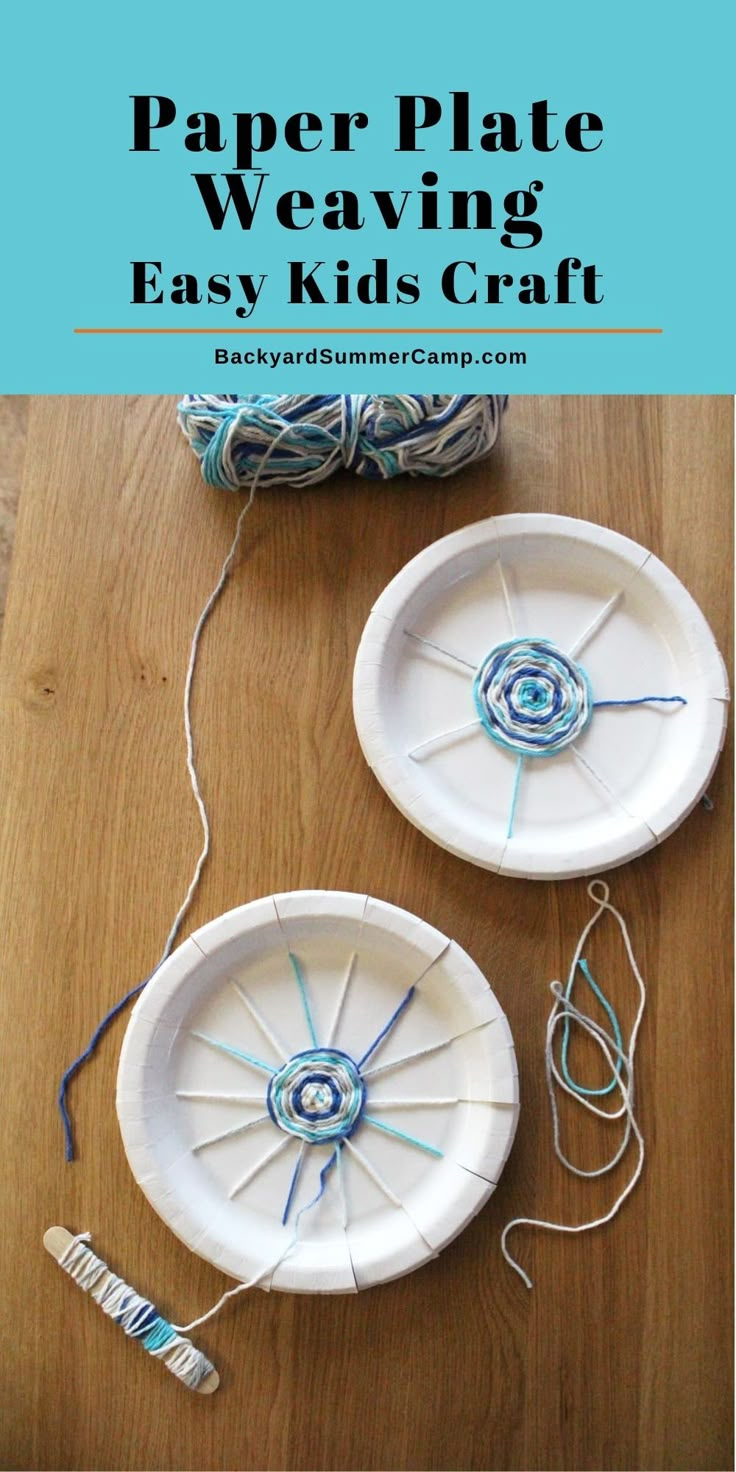
This project encourages creative visualization, storytelling, and personal expression. When completed, students can present their Storytime Weaving, fostering public speaking skills and storytelling.
As students finish their projects, the classroom will be filled with a rich tapestry of creativity and accomplishment. Seeing their peers' work can inspire and motivate them to try new techniques and patterns. Encourage them to share their learning process and discoveries, fostering a collaborative, learning community.
Finally, remember that weaving is a marathon, not a sprint. It's okay if students struggle with tension, patterns, or other aspects of weaving. The learning process is part of the joy and the journey. Celebrate their efforts and progress, and let them know that every weave brings them one step closer to creating something beautiful and unique."
Related Articles

"Mesmerizing Weaving Projects for Elementary Students"
Immerse your elementary students in the timeless art of weaving with captivating projects that stimulate creativity, enhance fine motor skills, and offer...

Icarus and Daedalus: Unraveling the Myth's Timeless Teaching
The tale of Icarus and Daedalus, a story plucked from the annals of Greek mythology, has captivated audiences for centuries. It's a narrative that thrills with...

Create Easy Tree Crafts for Elementary Students
Did you know that engaging in creative activities like crafting can have a profound impact on a child's learning and development? It's a fantastic way for...
Engage Kids: Creative Weaving Activities for Elementary School
Weaving activities for elementary students offer a creative and engaging way to foster critical thinking, improve fine motor skills, and promote cultural...

"Veterans Day Writing Prompts for Elementary Students"
Veterans Day, celebrated annually on November 11, is a day dedicated to honoring and remembering the brave men and women who have served in the United States...

Art Lessons for Elementary Students
Embarking on an artistic journey at the elementary level is an exciting venture that can foster creativity, boost confidence, and enhance motor skills. Art...