Jellyfish Drawing: Colored Picture Tutorial
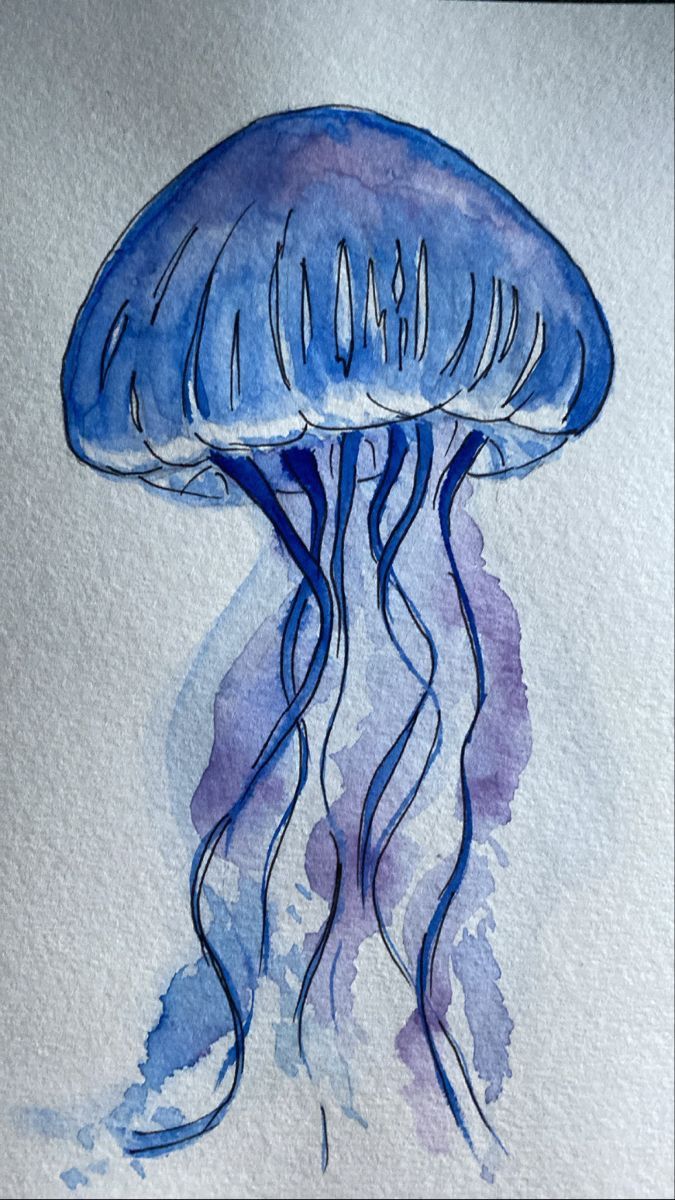
Delving into the whimsical world of marine life, one creature has captivated artists and scientists alike: the jellyfish. With its ethereal bell-shaped body and delicate Tentacles, it's no surprise that the jellyfish has become a popular subject for artists worldwide. One of the most creative ways to depict this fascinating creature is through a colored picture, which brings out its vibrant colors and graceful movements.
Jellyfish drawings colored with various hues can convey the beauty and elegance of these fascinating creatures. Whether you're an experienced artist or just starting, exploring the world of jellyfish drawing can be an enjoyable and rewarding experience. This article will guide you through the process, highlighting essential techniques, tools, and inspirations to help you create stunning colored jellyfish pictures.
Understanding Jellyfish Anatomy
Before you pick up your pencils and paints, it's crucial to understand the basic anatomy of a jellyfish. This will help you create accurate and visually appealing drawings.


Jellyfish have a simple body structure composed of two parts: the bell and the Tentacles. The bell is the dome-shaped part at the top, while the Tentacles hang down from the bell's bottom. The mouth is located at the base of the bell, and the jellyfish uses its Tentacles to sense prey and catch food.
Types of Jellyfish
Familiarizing yourself with different jellyfish species can help you capture the unique characteristics of each when drawing. Some commonly depicted species in artwork include:


- Moon Jellyfish (Aurelia aurita): Known for their bell shape and translucent skin, they typically have a pinkish or yellowish coloration.
- Lion's Mane Jellyfish (Cyanea capillata): Named for their long, reddish tentacles that resemble a lion's mane, these jellyfish can grow quite large.
- Sea Nettle (Chrysaora hysoscella): With a bright, iridescent blue color and long tentacles covered in stinging cells, sea nettles are visually striking.
Observe Real-Life Jellyfish
Whenever possible, observe real jellyfish in person to grasp their movements, colors, and forms. Check local aquariums or even visit beaches where jellyfish are known to dwell (ensure you adhere to safe and responsible viewing practices).
If visiting jellyfish in person isn't feasible, study photos and videos from reliable sources to capture the details and dynamics of these creatures.
Drawing Materials for Jellyfish Art
Gather a variety of art supplies to experiment with different techniques and effects for your jellyfish drawings.




Some essential materials include:
Drawing Tools
- Sketch paper or Mixed media paper
- Pencils (graphite, colored, marker, or digital)
- Erasers (kneaded, plastic, or digital)
- Drawing pens or Markers (black or colored)
Painting Materials
- Watercolor paints or Gouache
- Watercolor brushes or paintbrushes for Gouache
- Watercolor paper or mixed Media paper
- Watercolor pencils or markers
Digital Tools
- Drawing tablet or graphics tablet
- Art software (Adobe Illustrator, Procreate, or AutoDesk SketchBook)
- Digital drawing tools (stylus pen, injust, or digital painting brushes)
Techniques for Colored Jellyfish Pictures
Several techniques can help you create captivating and colorful jellyfish drawings. Explore different methods to find the best approach for your artwork.
Here are some popular techniques to consider:


Graduated Wash
Create soft, blended colors by applying layers of watercolor, allowing each layer to dry before adding the next. This technique is perfect for capturing the translucent quality of jellyfish bell.
Dry-Brush Technique
Use a dry brush with a small amount of paint to create textured patterns on your jellyfish Tentacles or in the background. This technique can add interest and depth to your artwork.
Stippling
Use dots or small marks to create shading and form, creating a unique and intricate appearance. This technique works well for both Tentacles and the jellyfish bell.
Exploring Different Mediums
Experiment with various art materials to discover unique ways of bringing your jellyfish drawings to life. Combine conventional media like watercolor or gouache with digital tools to create hybrid artworks.
Inspiration and Practice
Finding inspiration in the work of other artists or the natural world can help fuel your creativity and improve your skills.
Visit art galleries, peruse online portfolios, or explore social media platforms to discover talented jellyfish artists. Join online communities or local art groups to connect with fellow artists and learn from their experiences.
Practice and Study
Improve your jellyfish drawing skills by dedicated practice and study. Set aside time regularly to draw and experiment with different techniques.
Create a sketchbook filled with jellyfish drawings, observing how their forms and colors change as you progress. This process will help you develop your unique artistic style and gain confidence in your abilities.
Embrace the journey of learning and growth, and enjoy the creative process of exploring the fascinating world of jellyfish through art.
In the end, creating captivating colored pictures of jellyfish combines an understanding of their unique biology, a passion for intricate drawing techniques, and a love for the artistic process. By capturing the beauty of these enchanting creatures, you'll bring a touch of the ocean's wonder to your audiences and celebrate the joy of illustration.
Related Articles

Jellyfish Colored Photography
The enchanting world of jellyfish captivates us with its mesmerizing colors, dancing gracefully in the vast expanses of our oceans. Among these stunning hues...

Easy Jellyfish Drawing Tutorial
Jellyfish are fascinating creatures often admired for their ethereal beauty and grace underwater. Capturing their delicate form on paper can be a delightful...

Mastering Jellyfish Art: A Step-by-Step Drawing Tutorial
In the captivating world of marine life, one fascinating and ethereal creature stands out— the jellyfish. With their mesmerizing translucent forms and graceful...

Mastering Box Jellyfish Drawing: Dive Into Art Tutorial
The alluring art of box jelly fish is a subject that has captivated both marine biologists and artists alike. When it comes to drawing these fascinating...

Mastering Seagull Flight: A Step-by-Step Drawing Tutorial
Have you ever marveled at the fluid dance of seagulls gliding through the skies, their wings slicing effortlessly through the breeze? Capturing this dynamic...

Master the Art: Step-by-Step Rope Drawing Tutorial
Rope, a fundamental tool in various industries and activities, dates back to ancient times. From securing ships to scaling mountains, its versatility is...